
Circular Economy Diploma
The Circular Economy Diploma Program covers the fundamentals and principles of the circular economy from a systems-thinking perspective, addressing climate […]
The Circular Economy Diploma Program covers the fundamentals and principles of the circular economy from a systems-thinking perspective, addressing climate […]
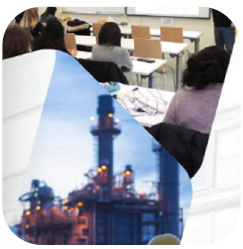
Physicala nd structural chemistry. Kinetics. Organic chemistry. Industrial chemistry. Transfer. Applied mathematics. Economics and administratio. Process systems engineering.
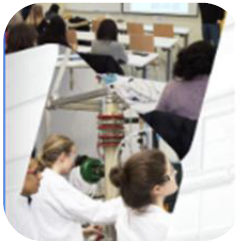
Organic chemistry. Reactive and process systems. Thermodynamics. Inorganic chemistry. Polymer chemistry. Heat transfer. Economics and management. Thermal separation.
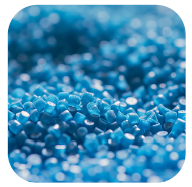
Processes: general information. Introduction to injection molding processes. Profile extrusion processes, extrusion-blowing. Plastic manufacturing processes. Composite material processing techniques.
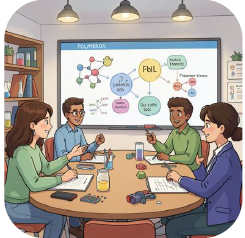
Introductionto plasticsplastics. Families of thermo plastics. Families of thermo setting plastics. General properties of plastics. Reading a technical data sheet
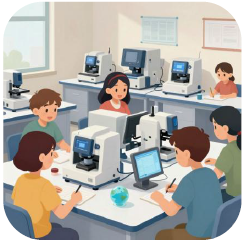
Introduction to polymer characterization. Physicochemical characterization of polymers: general principles.Thermal analysisanalysisof polymerspolymers. Spectroscopy. Behavior in the presence of fire.
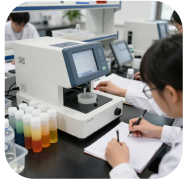
Viscosity and rheology concepts. Viscoelastic properties of polymers. Capillary rheometry. Dynamic rheometry. Flow index rheometry.

Introduction to X-ray diffraction (XRD) theory. Determination and analysis of structures. Packaging and interaction analysis. Use of aspheric models of
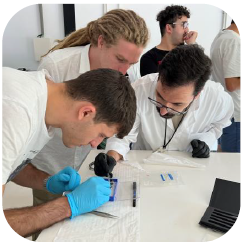
The Sustainable Plastics from natural raw materials to product design course is a qualification accredited by the university to respond